
We live in a world in which many people are feeling the effects of stress more than ever.
Key takeaways
The body’s stress response system lets us react quickly, but chronic stress can wear it down over time.
Ongoing stress can disrupt the HPA axis, which shows up as fatigue, sleep problems, mood changes and more.
Natural approaches focus on restoring a healthy stress rhythm through lifestyle, nutrition and targeted support.
The human body is equipped with a sophisticated stress response system that enables us to immediately react to whatever stressful stimuli we are exposed to. However, when stress becomes chronic, this same system can also cause wear and tear on the body when its constantly being stimulated.
Most people are aware that long-term stress can lead to health problems but may not readily recognize the signs and symptoms of this wear and tear or make the connection that these are stress-related.
How the Stress Response System Works
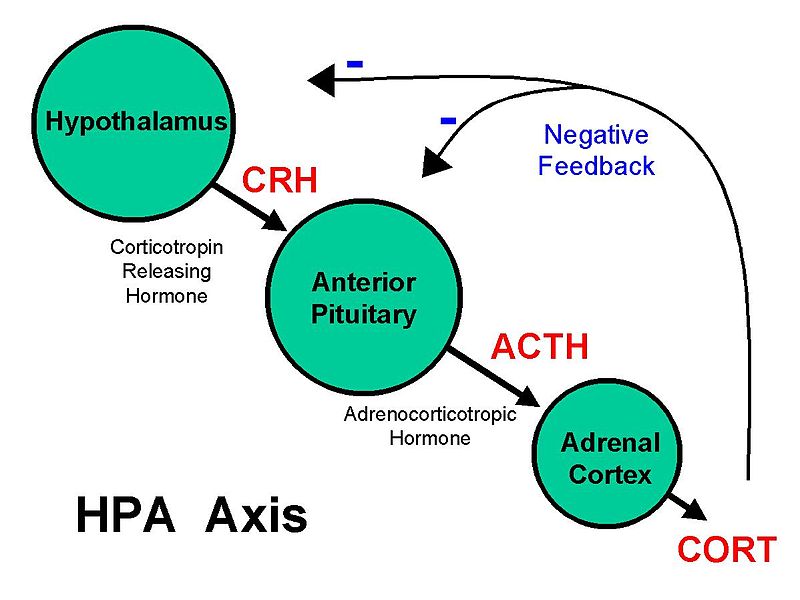
Our stress response system is controlled by communications between the hypothalamus, pituitary, and adrenal glands and is called the hypothalamus-pituitary-adrenal axis or HPA axis for short. The HPA axis also influences important body processes such as blood sugar balance and insulin sensitivity.
When our brain detects stress, signals are sent to the adrenal glands that stimulate the release of catecholamines (epinephrine and norepinephrine), mineralocorticoids (aldosterone), and glucocorticoids (cortisol and DHEA-S) which result in a series of physiological reactions in the body to prepare us to respond.
Heart rate and blood pressure increases. The liver converts glycogen to glucose which is released into circulation raising our blood sugar. Other physiological changes help us become more alert and energized while also decreasing activity in the body that is not needed during a stressful event, such as slowing digestive, thyroid, metabolic, and immune functions.
This puts us into “fight-or-flight” mode giving us greater mental and physical ability to deal with the emergency.
Once the emergency is over, our stress response system deactivates and we return to a normal state of being.
This system works remarkably well potentially protecting us from acute stressful situations, such as giving us increased energy to escape from a burning building or to defend against a predator.
Fortunately for most of us, we are not faced with these types of life-threatening emergencies often, however, our stress response system is repeatedly triggered multiple times per day due to the stressors of modern life that we routinely experience. Many of us live fast-paced lives with constant access to email and text messaging with very little downtime to unwind and recharge.
Getting stuck in traffic on the way to an important meeting, relationship difficulties, financial struggles, and juggling family responsibilities along with career pressures are daily stressors for many people. This chronic stress puts us into frequent “fight-or-flight” mode which creates HPA axis dysfunction and can eventually result in a myriad of health consequences.
What Triggers Stress-Induced HPA Axis Dysfunction?
Chronic stress over time triggers HPA axis dysfunction. While we often associate stress with mental or emotional stress, it’s important to note that the body responds to all types of stress.
What this means, is that in addition to mental or emotional stress, stressors can be physical or environmental in nature. For example, the body is stressed when we are sleep deprived or are habitually overtraining with exercise or have a recurring infection/illness such as bronchitis or pneumonia. Stressors can also be a high-pressure job or an unhappy marriage.
More examples of what can be stressful to the body:
- Autoimmune disease
- Blood sugar imbalance
- Dehydration
- Infection
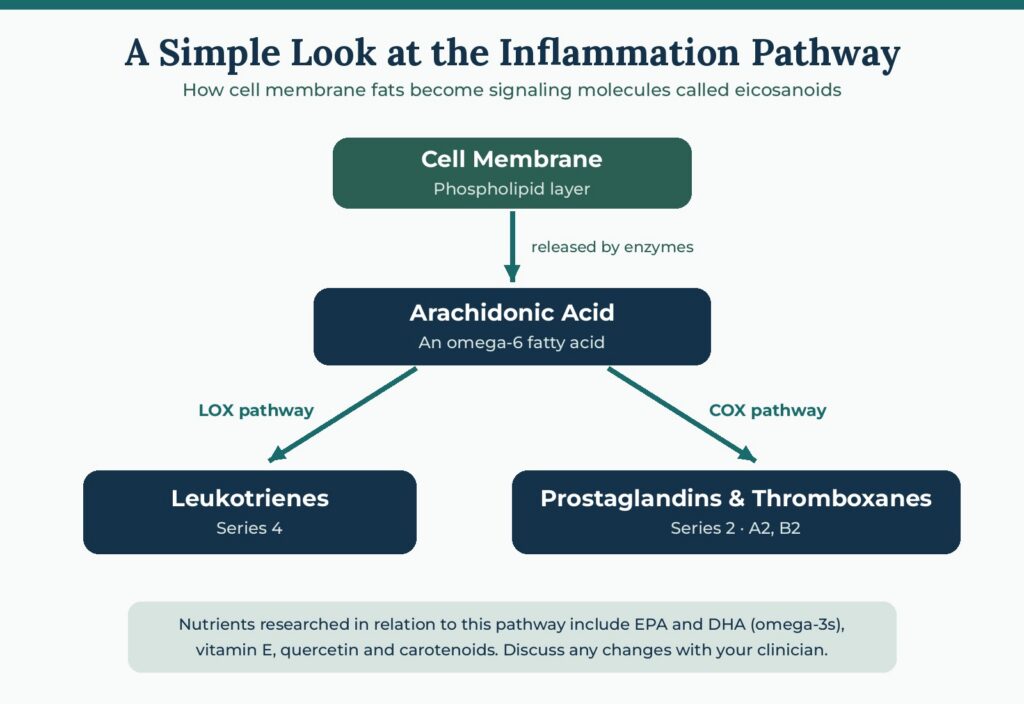
- Inflammation (from leaky gut, viruses, blood sugar imbalance, chronic disease)
- Oxidative stress
- Certain medications
- Nutrient insufficiencies
- Toxin burden
- Skipping meals
- Inadequate sleep
- Nutrient-poor diet
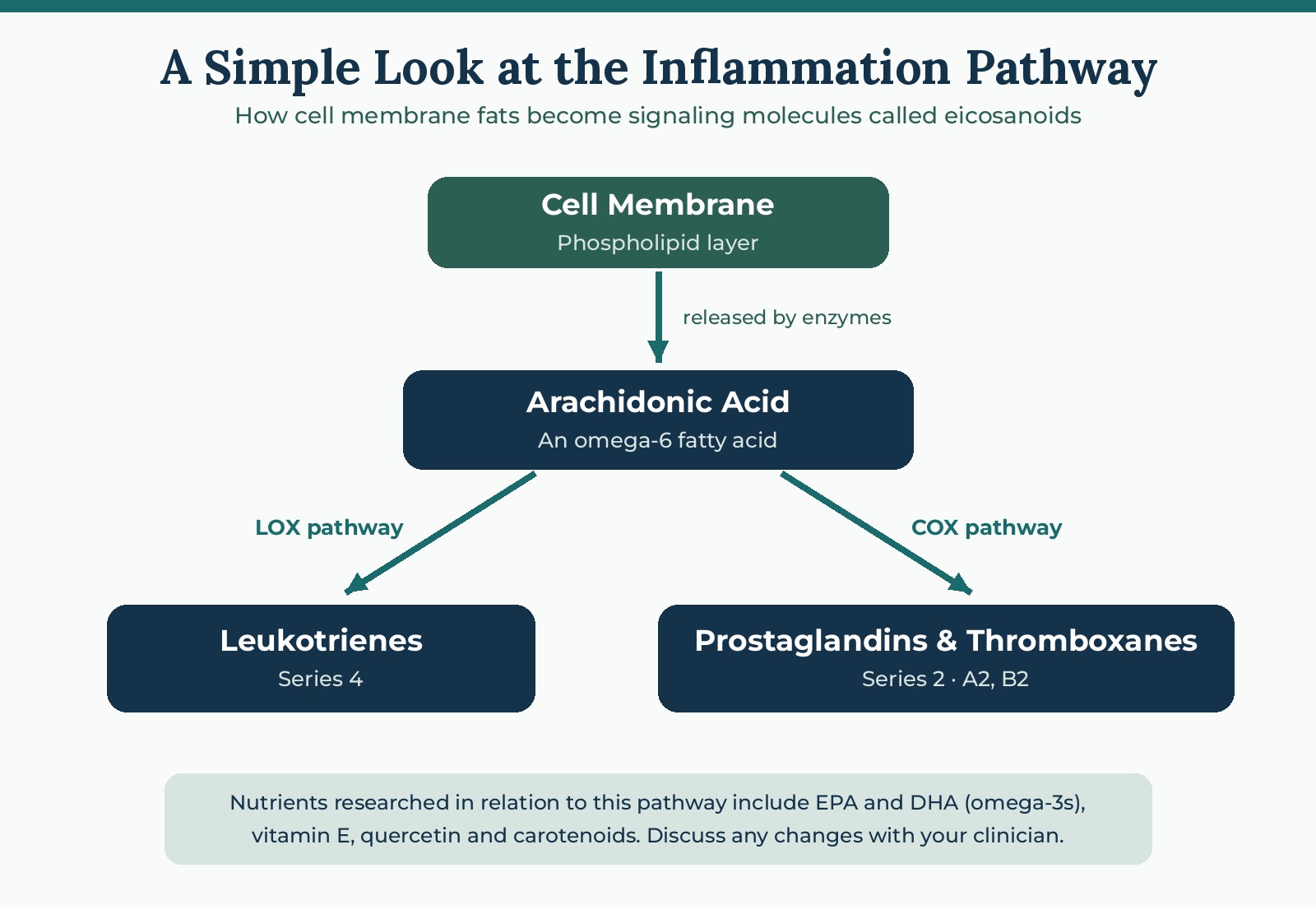
With chronic stress, we don’t have a chance to build up our metabolic reserves and this prevents us from being resilient to the next stressor that comes our way. This is when we start feeling less energetic (from less ATP production) and develop more oxidative stress, leading to a bunch of different symptoms.
Signs and Symptoms of HPA Axis Dysfunction
The collection of symptoms associated with HPA axis dysfunction has been referred to as “adrenal fatigue”, however this term is misleading because it inaccurately implies that the adrenal glands become tired or worn out.
Although adrenal hormone production does become altered when we are under chronic stress, these changes are not due to adrenal malfunction or exhaustion. What is thought to happen in HPA axis dysfunction is structural and functional changes in the brain, which is an adaptation to chronic stress over time. The brain dials down it’s signaling to the adrenals preventing excess stress hormones from being released. It is thought that this is a protective mechanism when the body has been exposed to excess stress hormones, like cortisol and adrenaline, for a prolonged time.
It is at this point when symptoms of exhaustion and burnout set in. Essentially, your body’s ability to deal with stress becomes compromised.
Some signs and symptoms include:
- Low energy
- Getting sick often, chronic infections
- Slow recovery from illness
- Difficulty concentrating
- Poor memory
- Depression & anxiety
- Cravings for caffeine, sugar, salt
- Feeling tired upon waking
- Feeling more alert in evening
- Sleep disturbances, insomnia
- Increased aches & pains
- Low blood pressure
- Low sex drive
- Irritability, feeling “stressed-out”
- Allergies, hives
People with HPA dysfunction wake up tired in the morning, and feel like they need a nap in the afternoon. But then at night, have trouble sleeping.
A Healthy HPA Axis Influences Overall Health
Having a healthy functioning HPA axis is important for our overall health as it interacts with every other system in the body as well as influences a wide range of chronic diseases.
Chronic stress keeps the HPA axis constantly activated which takes a toll on the entire endocrine system, resulting in numerous health consequences. When cortisol is in excess blood sugar is elevated, which can lead to insulin resistance over time, increasing the risk for diabetes. Blood pressure is elevated, which can lead to cardiovascular conditions. Thyroid hormones are down-regulated, which affects metabolism. Digestive functions slow down, impacting nutrient absorption. Circadian rhythm is also disrupted.
Once the stress response system becomes dysregulated, the body becomes less efficient at responding to stress.
How Natural Medicine Can Help the HPA Axis
In natural medicine, the goal is to identify and address the root causes of stress that are triggering the hypothalamus to dial back its signaling to the adrenals, so that the stress-induced inflammation can be decreased.
Since multiple factors are at play, the goal is to look for the root cause. Is it blood sugar imbalance? A food intolerance? Is there an infection? Is it emotions?
Reducing stressors and improving the stress response system involves identifying which various root causes are triggering your specific HPA axis dysfunction, as these differ from person to person. It is also important to build up metabolic reserves with nutrients that become depleted with stress and that are needed to produce stress hormones.
Lifestyle, nutrition, and supplement strategies addressing inflammation, blood sugar dysregulation, circadian disruption, as well as factors affecting mood and emotional stress may help support the stress response system and your resilience to stress, as well as your overall health.
While there are numerous ways to support the HPA axis, the following tips can be helpful:
Eat an anti-inflammatory diet that includes a variety of colorful fruits & vegetables, essential fatty acids, and quality protein, and limit caffeine, alcohol, refined sugar and processed foods. Maintain proper hydration, and eat a regular pattern of meals, since skipping meals creates blood sugar imbalance.
Establish a consistent sleep routine by striving for 7-9 hours of sleep per night in darkness. Engage in regular exercise that is not overly vigorous; strength training or yoga are excellent options.
The following types of supplements may support HPA axis function. Choosing the appropriate ones depends on the specific areas of stress an individual is experiencing, which is best assessed by a healthcare practitioner.
These include vitamins such as vitamin C and B vitamins, and minerals such as magnesium and zinc. They also include precursors needed for neurotransmitter synthesis, and adaptogens, which are herbs that help the body adapt to stress and bring balance to the body.
What the research shows
The term “adrenal fatigue” is not supported by research. A 2016 systematic review by Cadegiani and Kater screened 3,470 articles and included 58 human studies of cortisol and fatigue, 33 in healthy people and 25 in people with symptoms. Results were conflicting across nearly all test methods, and the authors found no proof that “adrenal fatigue” exists as a condition. The studies varied widely in design and in how fatigue was measured, which is why many clinicians prefer to talk about stress-response (HPA axis) dysregulation instead.
Sleep loss does measurably affect cortisol. In a 1997 study by Leproult and colleagues, healthy young men had blood cortisol measured over 32 hours after normal sleep, partial sleep loss or a full night without sleep. After sleep loss, evening cortisol was 37% to 45% higher the next day and took longer to settle. The abstract does not state how many men took part, and the study looked only at short-term effects.
Sources
Try the Naturopathic Approach
Book a free 15-minute consult to talk through your health goals and next steps. Learn MoreReferences:
Guilliams, T. G. (2015). The role of stress and the HPA axis in chronic disease management. Point Institute, Stevens point (WI), 80.
McEwen, B. S. (2007). Physiology and neurobiology of stress and adaptation: central role of the brain. Physiological reviews, 87(3), 873-904. PMID: 17615391. https://pubmed.ncbi.nlm.nih.gov/17615391/
McEwen, B. S. (2006). Protective and damaging effects of stress mediators: central role of the brain. Dialogues in clinical neuroscience, 8(4), 367. PMID: 17290796. https://pmc.ncbi.nlm.nih.gov/articles/PMC3181832/
Yaribeygi, H., Panahi, Y., Sahraei, H., Johnston, T. P., & Sahebkar, A. (2017). The impact of stress on body function: A review. EXCLI journal, 16, 1057. PMID: 28900385. https://pmc.ncbi.nlm.nih.gov/articles/PMC5579396/
Leproult R, et al. Sleep loss results in an elevation of cortisol levels the next evening. Sleep 1997. PMID: 9415946. https://pubmed.ncbi.nlm.nih.gov/9415946/
Cadegiani FA, Kater CE. Adrenal fatigue does not exist: a systematic review. BMC Endocr Disord 2016. PMID: 27557747. https://pmc.ncbi.nlm.nih.gov/articles/PMC4997656/
Questions to bring to your clinician
These questions can help you get the most out of your next visit.
Could my symptoms reflect HPA axis dysfunction, and would cortisol testing help clarify it?
Which of my symptoms might be connected to how my body handles stress?
Would a cortisol test across the day add useful information for me?
Which daily routines could help my stress response settle?
Free: The 28-Day Reset for Energy and Focus
A simple day-by-day email guide to sleep, movement, food, and daily habits that support healthy aging. It’s free, and you can unsubscribe anytime.
Get the free guide Take the supplement quiz