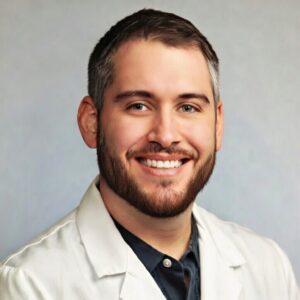
Written by Dr. Ryan Kneessi, ND
Quick answer: Your cells constantly produce free radicals from normal metabolism, sunlight, pollution and stress. When they outpace your defenses, the result is oxidative stress, which damages DNA, proteins and mitochondria. The most effective strategy is not megadosing single vitamins. It is supporting your body’s own antioxidant systems, such as glutathione and the Nrf2 pathway, with colorful foods and targeted nutrients.
Taking a lot of supplements and not sure what's worth it?
Send me your list for a free supplement review. There is no cost and no appointment needed.
Key takeaways
Oxidative stress happens when free radicals from metabolism, sunlight and pollution outpace the body’s defenses.
Supporting the body’s own systems, such as glutathione and the Nrf2 pathway, is usually more effective than high amounts of single vitamins.
Colorful whole foods remain the most important source of antioxidants, with targeted nutrients as an add-on.
What is oxidative stress?
Reactive oxygen species (free radicals) are a normal byproduct of making energy, and in small amounts they act as signals. Problems arise when they overwhelm your defenses. Oxidative stress is linked with DNA damage, mitochondrial dysfunction, misfolded proteins and chronic inflammation, several of the core processes behind aging.
Why your own defenses matter most
Your body makes powerful antioxidant enzymes such as glutathione, superoxide dismutase (SOD) and catalase. Many plant compounds work by switching on Nrf2, a master control that increases your own production of these enzymes. Research suggests that high-dose isolated antioxidant pills do not reliably prevent disease and, in some cases, may cause harm, which is why I focus on supporting the body’s own systems.
Nutrients commonly used
Glutathione or its building blocks, NAC, glycine and glutamine, are commonly used (see who should consider NAC), and sulforaphane from broccoli sprouts is a strong Nrf2 activator. Curcumin supports Nrf2 and a healthy inflammatory response.
Astaxanthin is a carotenoid studied for skin, eyes and endurance, and resveratrol and pterostilbene are polyphenols that support Nrf2 and sirtuins. CoQ10 and PQQ support mitochondrial energy (see who should consider CoQ10).
Food sources that still matter most
- Wild blueberries, blackberries and other berries
- Broccoli sprouts and cruciferous vegetables
- Spinach, kale and herbs
- Extra-virgin olive oil
- Dark chocolate and cocoa
- Green tea and matcha
Antioxidants and healthy aging
Oxidative damage accumulates over decades and is linked with genomic instability, loss of protein quality control and mitochondrial decline. Supporting your antioxidant defenses is one piece of a longevity plan, together with exercise, sleep and lower toxin exposure. Related: mitochondrial health and hormesis.
Safety
Antioxidant supplements can interact with chemotherapy, radiation and blood thinners, and very high doses of some vitamins carry risks. Talk with your provider before starting.
When to see a naturopathic doctor
It may be time to see a naturopathic doctor if you want a longevity plan that goes beyond random supplements, or if you have high oxidative stress exposures such as smoking, pollution or chemicals. The same is true if you are in cancer treatment and want to know what is safe, or if you take many supplements and want to simplify.
What the research shows
High-dose antioxidant supplements have not lived up to early hopes in large trials. In the 1994 ATBC trial, 29,133 male smokers aged 50 to 69 in Finland took vitamin E (50 mg), beta carotene (20 mg), both or a placebo for 5 to 8 years. Vitamin E did not lower lung cancer rates, and beta carotene was linked with an 18% higher rate of lung cancer. The results apply most clearly to smokers, but they changed how researchers view antioxidant pills.
The SELECT trial, reported by Klein and colleagues in 2011, randomly assigned 35,533 healthy men aged 50 and older to selenium, vitamin E (400 IU), both or a placebo. After longer follow-up, men taking vitamin E alone had a 17% higher risk of prostate cancer than those on placebo, an extra 1.6 cases per 1,000 men each year. Selenium alone showed no clear benefit or harm on this outcome.
Antioxidant pills may also blunt some benefits of exercise. In a 2009 study by Ristow and colleagues, 39 young men who took vitamins C and E during 4 weeks of training did not gain the improvement in insulin sensitivity seen in men who trained without them. Together these studies support getting antioxidants mainly from food and using supplements only when there is a clear reason.
Want a longevity plan built on what your body actually needs?
A free 15-minute consultation with Dr. Kneessi. No cost, no obligation. In-office in Odenton, MD or by telehealth.
Questions to bring to your clinician
These questions can help you get the most out of your next visit.
Is there any reason for me to take an antioxidant supplement, or is food enough?
Could an antioxidant supplement interact with any of my current medications or other supplements?
Would any labs or health history details help us decide whether an antioxidant supplement makes sense for me?
How would we tell whether an antioxidant supplement is a good fit for me, and when should we check in again?
Frequently asked questions
What is the most important antioxidant?
Glutathione is often called the master antioxidant inside cells. Supporting its production is a common strategy.
Are antioxidant supplements good for you?
Antioxidant-rich foods are clearly beneficial. High-dose isolated supplements have mixed results, so targeted use is better.
What is Nrf2?
Nrf2 is a protein that switches on your body’s own antioxidant and clearance enzymes. Compounds such as sulforaphane activate it.
Can antioxidants interfere with exercise?
Very high doses of antioxidant vitamins such as C and E may blunt some training benefits. Food sources do not appear to have this effect.
Sources
- . The effect of vitamin E and beta carotene on the incidence of lung cancer and other cancers in male smokers. N Engl J Med 1994. PMID: 8127329. https://pubmed.ncbi.nlm.nih.gov/8127329/
- Klein EA, Thompson IM, Tangen CM, et al. Vitamin E and the risk of prostate cancer: the Selenium and Vitamin E Cancer Prevention Trial (SELECT). JAMA 2011. PMID: 21990298. https://pubmed.ncbi.nlm.nih.gov/21990298/
- Ristow M, Zarse K, Oberbach A, et al. Antioxidants prevent health-promoting effects of physical exercise in humans. Proc Natl Acad Sci U S A 2009. PMID: 19433800. https://pubmed.ncbi.nlm.nih.gov/19433800/
- Liguori I, et al. Oxidative stress, aging, and diseases. Clin Interv Aging 2018. PMID: 29731617. https://pmc.ncbi.nlm.nih.gov/articles/PMC5927356/
- Houghton CA, Fassett RG, Coombes JS. Sulforaphane and other nutrigenomic Nrf2 activators: can the clinician’s expectation be matched by the reality? Oxid Med Cell Longev 2016. PMID: 26881038. https://pmc.ncbi.nlm.nih.gov/articles/PMC4736808/
- Bjelakovic G, et al. Antioxidant supplements for prevention of mortality in healthy participants and patients with various diseases. Cochrane Database Syst Rev 2012. PMID: 22419320. https://pmc.ncbi.nlm.nih.gov/articles/PMC8407395/
- MedlinePlus: Antioxidants
This article is for educational purposes only and is not medical advice. It does not replace an individual evaluation. Talk with your healthcare provider before starting supplements or changing medications, especially if you are pregnant, nursing, or managing a health condition.